Better lighting should be defended with evidence, not persuasion
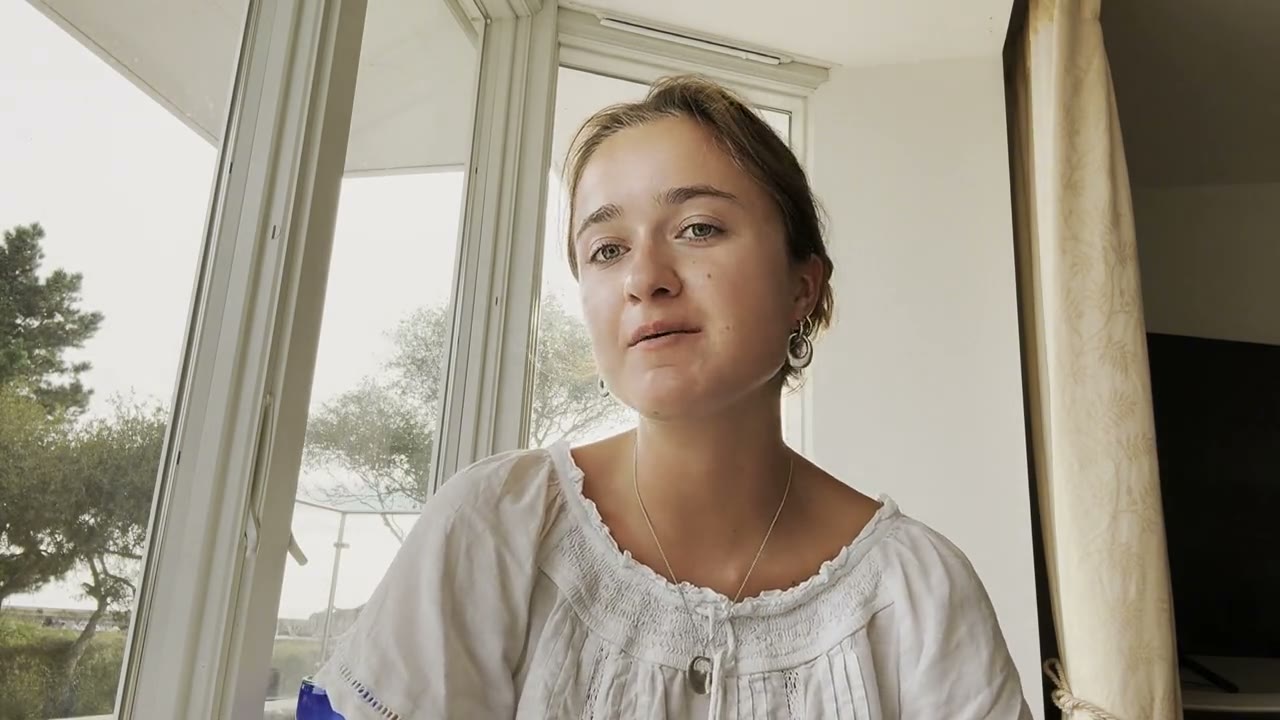
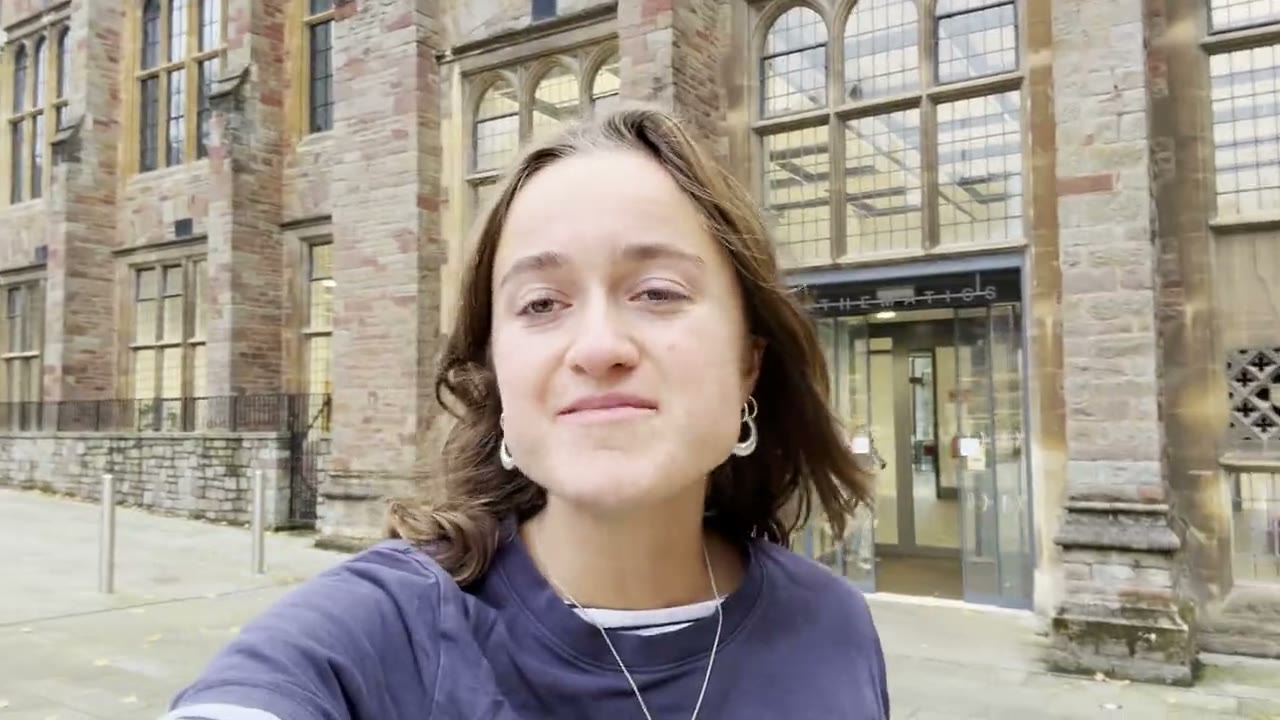
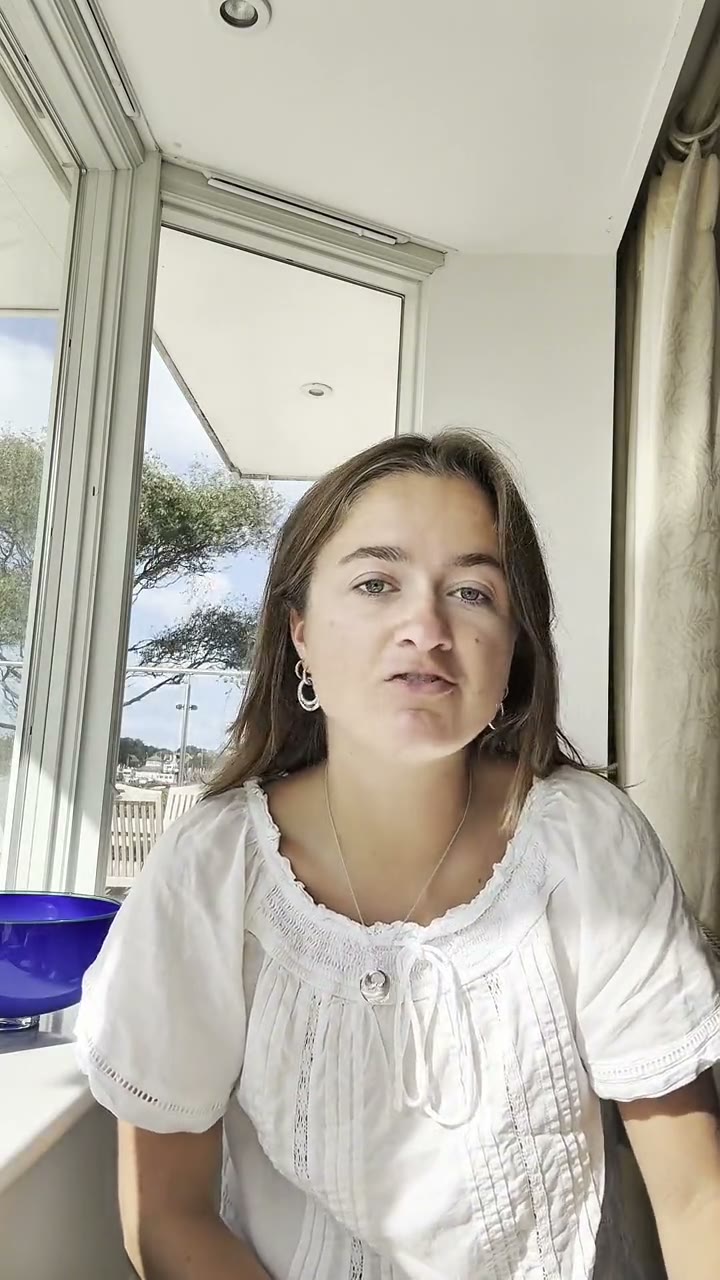
Read the one-page brief (PDF) →Molly, a chemistry student interviewing lighting professionals for Earthlight, kept hearing the same request: decision-makers want their lighting choices backed by evidence, not by someone in the room arguing for them. One stakeholder wanted to stop doing “missionary work.”
Better lighting shouldn't depend on who's in the room
Better lighting is most vulnerable when a client or project team challenges the cost. At that point it usually comes down to one person arguing for it, and personal persuasion is easy to overrule.
This summer I tested hypotheses inside the lighting industry for Earthlight, interviewing the people who make these decisions. One thing came up again and again: decision-makers want their choices backed by evidence. One stakeholder told me they wanted to stop doing “missionary work” and have data behind their claims instead.
Evidence they can point to
The people I spoke to described what that evidence needs to do:
- It has to be credible. An architecture leader said ROI is most useful when wider evidence helps decision-makers understand the full value of the choice. A lighting manufacturer argued that financial return should be connected to human value, what they called the “return of feeling.”
- It has to show the comparison. A project delivery expert wanted teams to see what a cheaper alternative changes for occupants and design quality, and a WELL lighting expert valued side-by-side comparison as a way to defend better lighting.
- It has to survive scrutiny. A certification strategist said outputs should make clear what is measured and what is assumed, so users can see exactly what sits behind the conclusion.
From “why does it cost more?” to “what are we giving up?”
That is the problem Earthlight is built to solve. When a lighting decision is challenged, Earthlight shows what the data supports and what is lost when a cheaper alternative is chosen. The question shifts from why the better option costs more to what the project gives up by choosing the cheaper one, and decision-makers get something concrete to stand behind.
The takeaway is simple: better lighting should be easier to defend with evidence, not persuasion.
Molly
Send us one project. Book a Human ROI Review and we'll show you what the evidence supports, and what the cheaper option costs.
Sources
- Molly's stakeholder interviews for Earthlight (summer 2026) — Interviews with an architecture leader, a lighting manufacturer, a project delivery expert, a WELL lighting expert and a certification strategist, summarised in the one-page brief.
Transcript
ShowHide
What if better lighting did not need someone constantly in the room arguing for it?
Hi, I'm Molly, a chemistry student at the University of Bristol, and I recently carried out hypothesis testing inside the lighting industry for Earthlight.
One thing that came up repeatedly was the value of an evidence-based tool. Decision-makers want their choices backed by science. One stakeholder said they wanted to stop doing “missionary work” and have data behind their claims instead.
What they were asking for is clear: credible evidence and comparison between lighting options. That is the problem that Earthlight would solve. When a lighting decision is challenged, Earthlight shows what the data supports and what is lost when a cheaper alternative is chosen. That gives decision-makers something concrete to stand behind.
The takeaway is simple: Earthlight could make better lighting easier to defend with evidence, not persuasion.
This was Molly's Minute. Follow earthlight.app for more.
Transcript auto-generated from captions and lightly processed. It may contain errors.