The data ROI calculators ask for, and clients don't have
Molly, a chemistry student interviewing lighting professionals for Earthlight, found that ROI calculators ask clients for absence and turnover data most of them don't have. Industry benchmarks from the CIPD, ONS, BLS and the Integrated Benefits Institute can fill that gap instead.
The number nobody has
Most workplace design tools assume something unrealistic: that clients already know what their buildings are costing them.
I spent this past summer testing hypotheses inside the lighting industry for Earthlight, interviewing the people who live it day to day. One conversation with Asif Din, a sustainable architecture leader at Perkins & Will, kept coming back to me. He pointed out that if you ask a client to enter sick days or staff turnover into a return-on-investment calculator, many of them simply don't have that data.
That stuck with me, because it means the calculator fails at the very first question.
Start with what's already published
So how do you make the value of better lighting visible without asking people for numbers they don't have? I think the answer is to start with trusted industry benchmarks.
In the UK, the CIPD's Health and Wellbeing at Work report (2025, with Simplyhealth) puts average sickness absence at 9.4 days per employee, up from 5.8 days before the pandemic. That's an increase of more than 60%. The Office for National Statistics publishes its own figures too, which gives a free, official source to check against.
In the US, the Integrated Benefits Institute pools 11 million claims across more than 2,300 industry groups from 15 data providers, organised by industry code. The Bureau of Labor Statistics is one of its inputs.
From proving a problem to understanding it
What I like about this approach is that it changes the conversation. Instead of asking a client to prove they have a problem, Earthlight can help them understand what better lighting could influence in their sector, using numbers they can look up and check for themselves.
What I took away
For me, this captures the bigger finding from my research. Calculating the value of lighting is only half of it. The real opportunity is translating that evidence into a form that clients with imperfect data can actually use.
Molly
See how the Earthlight Program puts benchmarks like these to work.
Sources
- CIPD Health and Wellbeing at Work 2025 (with Simplyhealth) — UK sickness absence risen to 9.4 days per employee, up from 5.8 days pre-pandemic.
- Office for National Statistics (ONS) — UK government labour-market sickness absence data.
- US Bureau of Labor Statistics (BLS) — US government absence data.
- Integrated Benefits Institute — 11 million claims across 2,300+ industry groups, from 15 data providers.
Transcript
ShowHide
Most workplace design tools already assume something unrealistic: that clients know what their buildings are costing them.
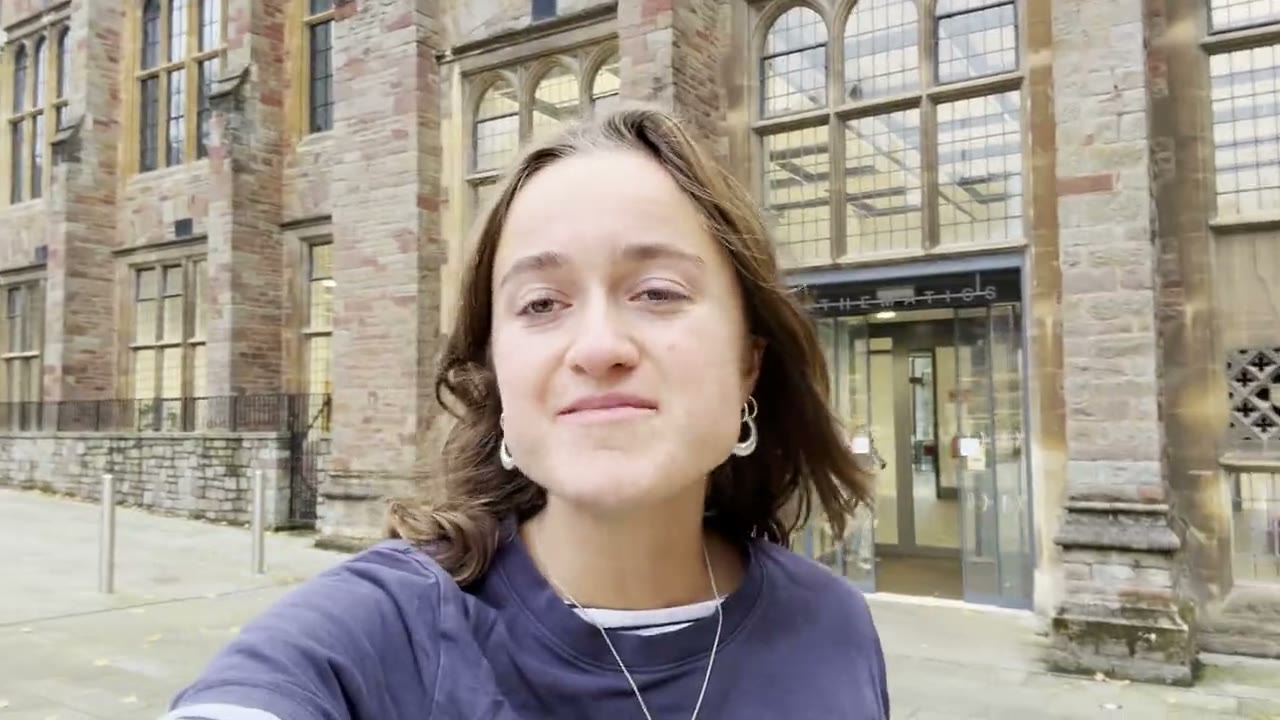
Hi, I'm Molly. I'm a chemistry student at the University of Bristol, and this past summer I did something a bit different: I spent it hypothesis testing inside the lighting industry, interviewing the people living it day to day for a company called Earthlight.
A top sustainable architecture leader I spoke with pointed out a real problem. If you ask a client to enter things like sick days or staff turnover into a return on investment calculator, many simply do not have that data. So how do you make the value of better lighting visible without asking people for numbers they do not have?
The answer may be to start with trusted industry benchmarks. The UK's CIPD and Office for National Statistics publish sickness absence data, which has increased by over 60% since pre-COVID. The US's Integrated Benefits Institute draws figures from over 2,300 industry groups.
Instead of asking a client to prove a problem, Earthlight could help them understand what better lighting could influence in their sector.
For me, this captures the bigger finding from my research. Alongside calculating lighting value, the opportunity for Earthlight lies in translating evidence into a form which clients with imperfect data can actually use.
Join Chris Sembroski and Shane Gring, who will speak to Asif Din from Perkins & Will about this and other lighting topics on the 8th of September. Link in the comments below.
Transcript auto-generated from captions and lightly processed. It may contain errors.