Not just a geography problem, but an adoption problem
Molly, a chemistry student interviewing lighting professionals for Earthlight, heard from WELL lighting expert Susana Babic that New York and New Jersey are worlds apart on lighting for health. The fix isn't more education alone: it's regulation, incentives, and local proof.
Thirty miles, two different worlds
New York and New Jersey could not be closer. But when I spoke to Susana Babic, a WELL lighting expert at the International WELL Building Institute, she described them as completely different worlds when it comes to lighting for health. They are maybe 30 or 40 miles apart.
I spent this past summer testing hypotheses inside the lighting industry for Earthlight, interviewing the people who live it day to day. This was one of the conversations that changed how I think about the problem.
Living in the shadow of a fast city
In places like New York, client demand and expertise come together, and that creates momentum. The catch is what happens next door. Nearby markets end up sitting in the shadow of these fast-moving cities: the expertise and the demand concentrate in the big hub, and the smaller market isn't strong enough to adopt it on its own. Researchers have a name for this, the shadow effect.
So it isn't really a geography problem. It's an adoption problem.
Education isn't enough on its own
Susana's answer goes beyond education. If clients and developers still don't ask for better lighting, telling them about it won't move much. The stronger levers are regulation, incentives, and local proof:
- Regulation makes lighting for health hard to ignore.
- Incentives make it easier to try, which matters most for firms that don't have big-city margins.
- Local proof does the rest. Once enough nearby projects adopt a standard, the idea seems less risky for everyone else.
Research on how green building spread backs this up. Mandatory policy was the strongest driver of adoption, and developers tended to adopt more slowly than other groups, so they need more than persuasion.
What I took away
For me, this is the real lesson from green building. LEED didn't scale only because people were persuaded. It scaled when policy, market pressure, and visible local examples made it part of normal practice.
For Earthlight, the opportunity is to help those slower markets catch up.
Molly
See how the Earthlight Program helps make the case for better lighting.
Sources
- Interview with Susana Babic, International WELL Building Institute — New York and New Jersey are "maybe 30 or 40 miles away" but "a completely different world" on lighting-for-health adoption.
- Green-building diffusion research — Mandatory policy most effectively increases adoption across clusters; developers adopt more slowly than other stakeholders; adoption within a geographic cluster is self-reinforcing.
- LEED (U.S. Green Building Council) — Precedent for a building standard that scaled through policy, market pressure and local examples.
Transcript
ShowHide
New York and New Jersey could not be closer. One person I spoke to, a WELL lighting expert, described them as completely different worlds.
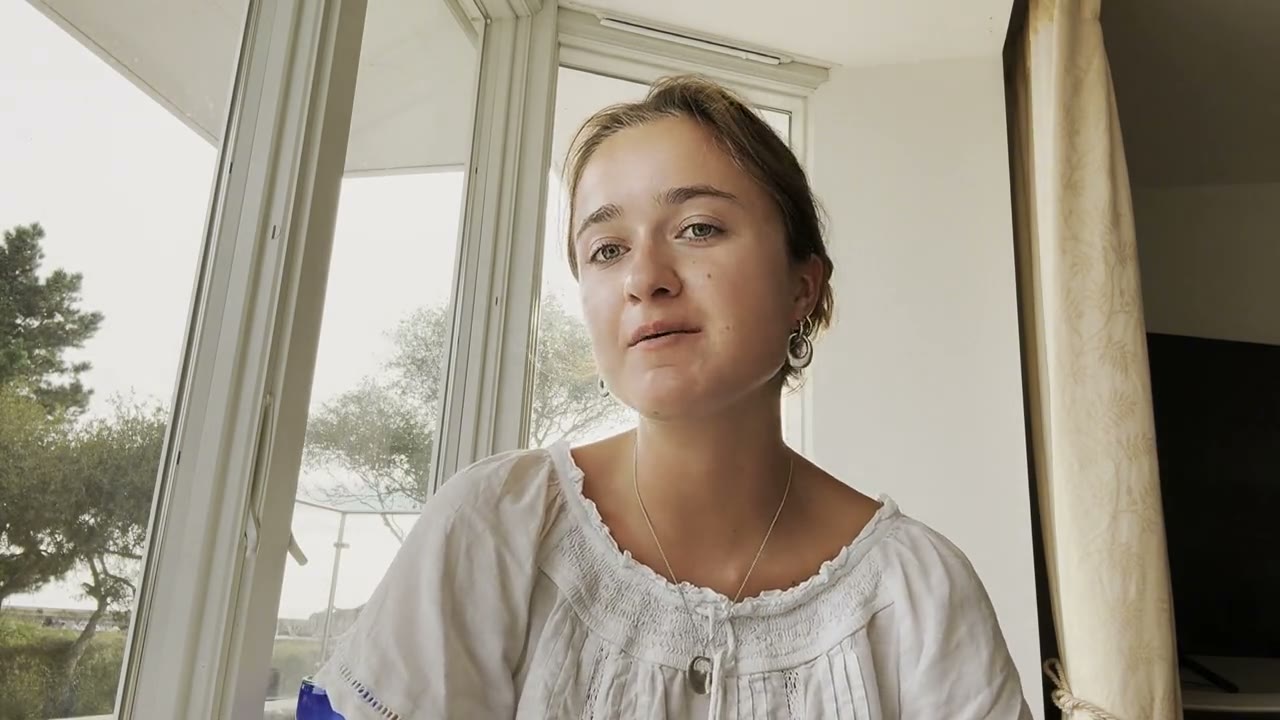
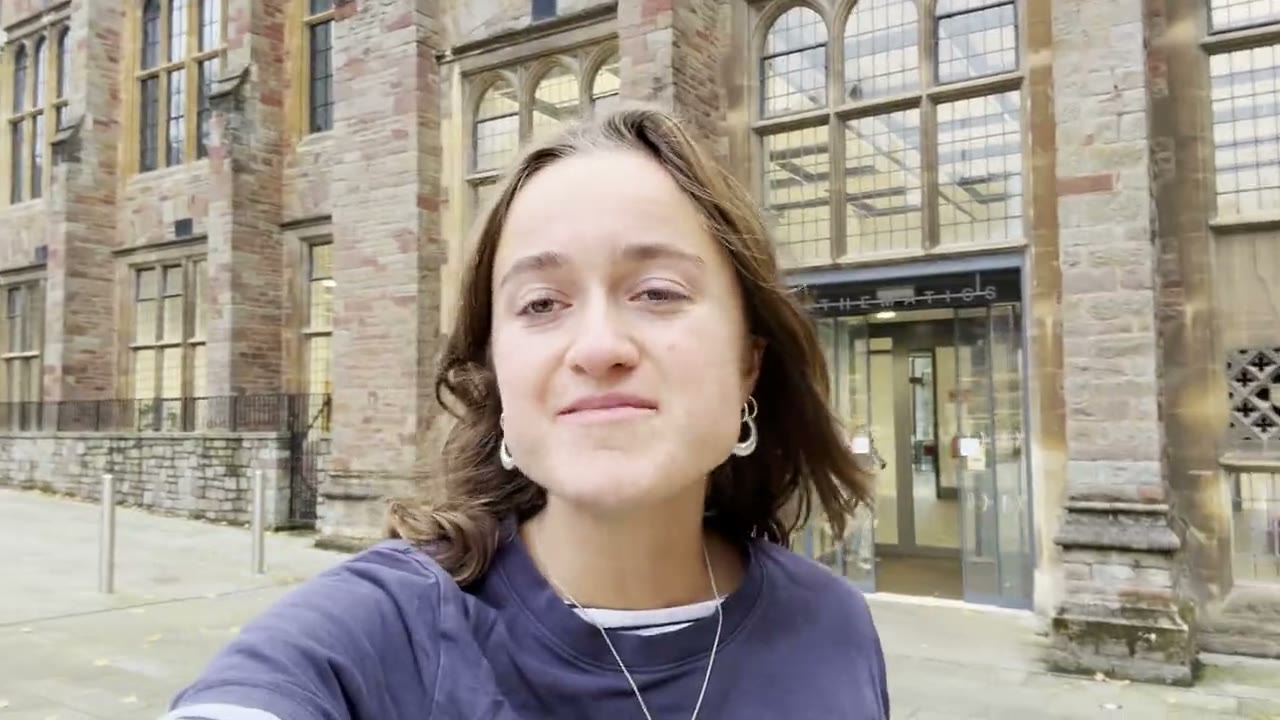
Hi, I'm Molly. I'm a chemistry student at the University of Bristol, and this summer I decided to do something a bit different: I spent it hypothesis testing inside the lighting industry, interviewing the people who live it day to day for a company called Earthlight.
In places like New York, client demand and expertise come together. This creates momentum, which means nearby markets sit in the shadow of these fast-moving cities, not strong enough to adopt it themselves.
The WELL lighting expert's answer points beyond education alone. It is not enough if clients and developers still do not ask for better lighting. The stronger levers are regulation, incentives, and local proof. Regulation makes lighting for health hard to ignore. Incentives make it easier to try. And once enough local projects adopt a standard, the idea seems less risky for everyone else.
For me, this is the real lesson from green building infrastructure. LEED did not scale only because people were persuaded. It scaled when policy, market pressure, and visible local examples made it part of normal practice.
For Earthlight, the opportunity is to help those slower markets catch up.
Join Chris Sembroski and Shane Gring as they speak to Susana Babic from the International WELL Building Institute about this and other lighting topics. Link in the comments below.
Transcript auto-generated from captions and lightly processed. It may contain errors.